Reduce Redundant Forklift Costs with AMRs and AGVs
Warehouse automation is no longer a futuristic concept; it's a present-day necessity for businesses seeking efficiency, accuracy, and a competitive edge. However, investing in robotics for warehouses requires much more than just purchasing equipment. It demands a thoughtful, strategic roadmap that aligns with your business goals, existing infrastructure, and operational needs.
Today, we'll explore the current advancements in robotics—from AMRs (Autonomous Mobile Robots) to ASRS (Automated Storage and Retrieval Systems), AGVs (Automated Guided Vehicles), and drones. Additionally, we'll examine how to prioritize your automation investments, evaluate vendors, and seamlessly integrate robotics into your warehouse tech stack.
The Modern Robotic Landscape
Automation technology has evolved significantly, offering solutions tailored to various industries and operational needs. Here's a breakdown of the most prominent technologies used in warehouses today:
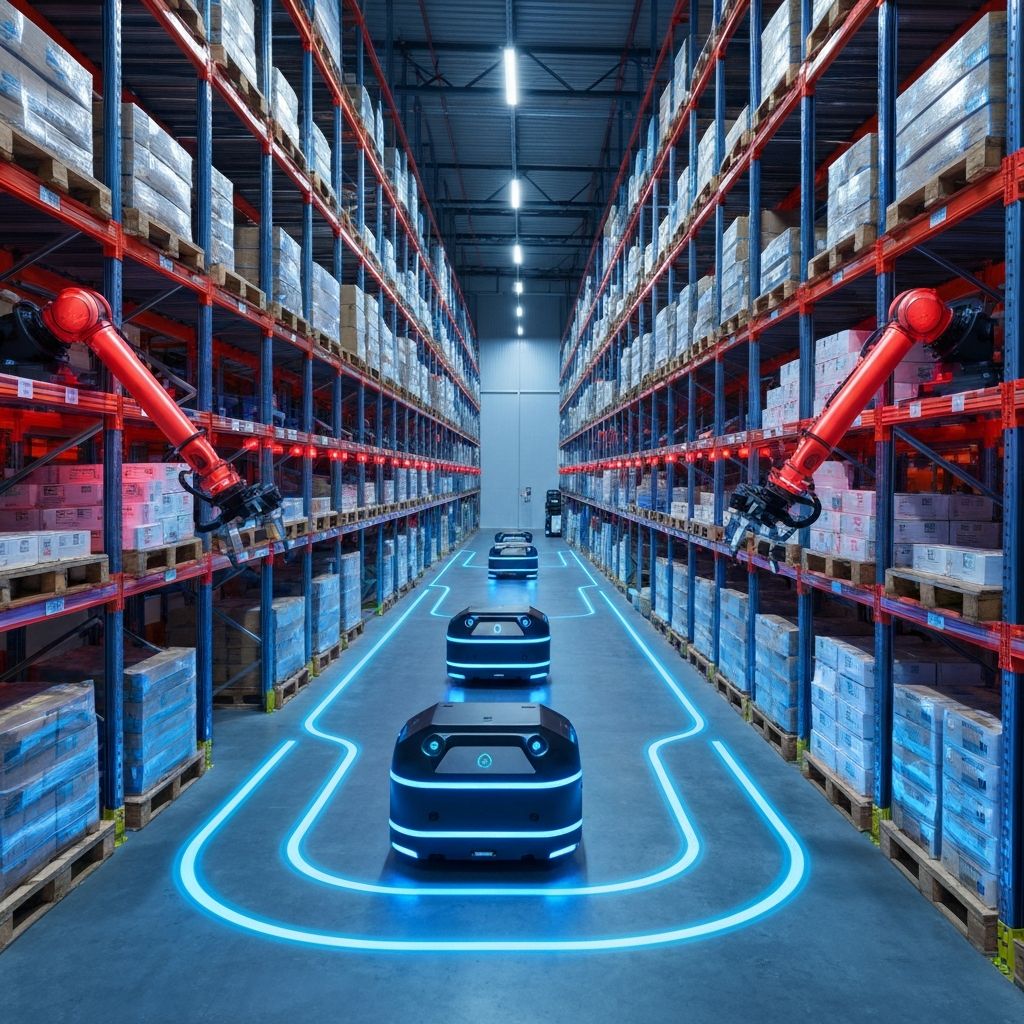
Autonomous Mobile Robots (AMRs)
AMRs use AI and machine learning to move freely around the warehouse, avoiding obstacles and identifying optimal routes for tasks like order picking and replenishment. They're ideal for dynamic environments that require flexibility.
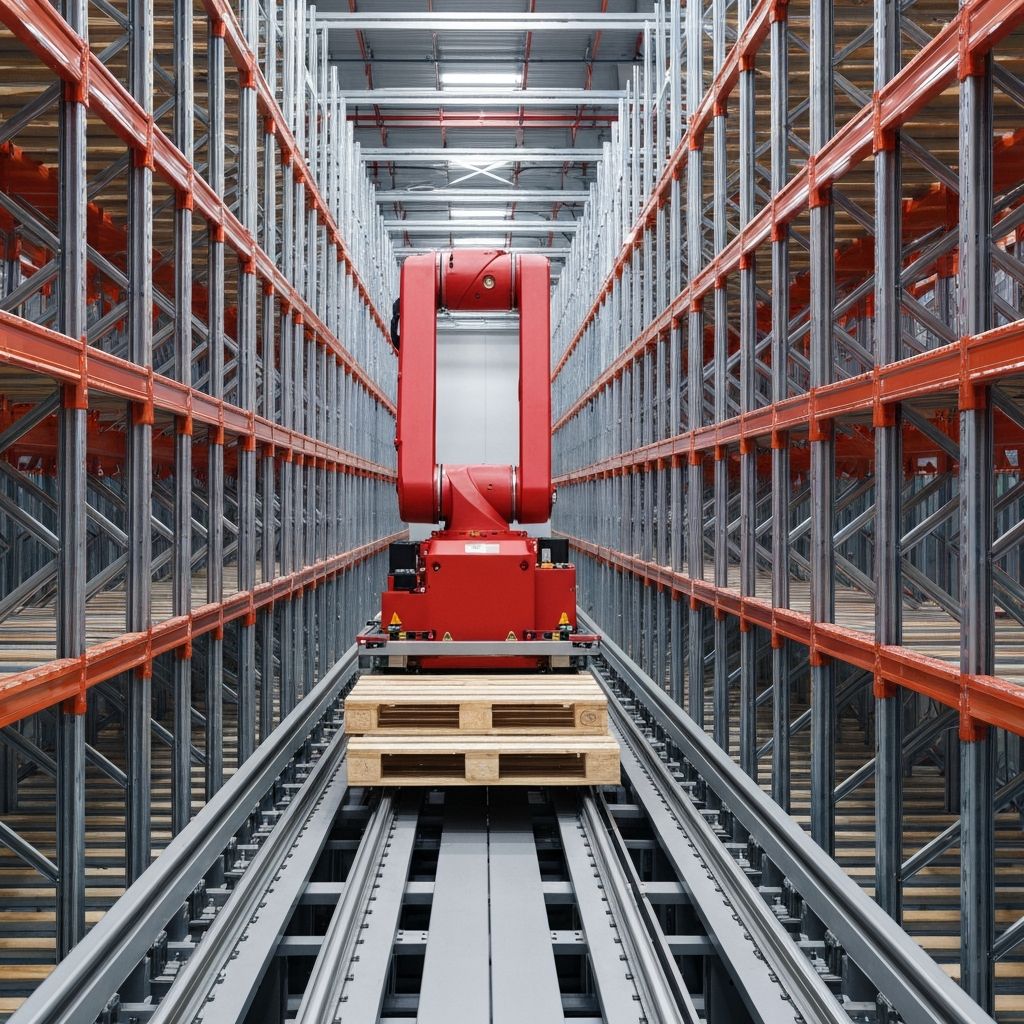
Automated Storage and Retrieval Systems (ASRS)
ASRS is designed for high-density storage and retrieval of goods. These systems use vertical spaces efficiently and are perfect for handling inventory in fast-moving or high-volume facilities.
Automated Guided Vehicles (AGVs)
While AGVs are less flexible than AMRs, they shine in repetitive tasks like transportation between set points. They follow predefined paths, making them an excellent choice for predictable workflows.
Drones
Warehouse drones are gaining traction for inventory management, conducting cycle counts, and inspecting hard-to-reach areas. Their ability to save time and provide real-time data makes them a valuable addition.
Why a Strategic Approach to Robotics Matters
Warehouse managers today are rethinking their approach to robotics. Buying a robot solution piecemeal without considering the bigger picture can lead to inefficiencies, poor ROI, and integration problems. A strategic plan ensures:
- **Cost-Effectiveness:** Investments align with business goals to prevent wasteful spending.
- **Scalability:** Chosen solutions can grow with your business and adapt to changing demands.
- **System Compatibility:** Robotics work seamlessly with WMS (Warehouse Management Systems), ERP (Enterprise Resource Planning), and other existing technologies.
How Different Technologies Impact Warehouse KPIs
Assessing how automation affects warehouse Key Performance Indicators (KPIs) is critical. Here's how robotics can improve your operations:
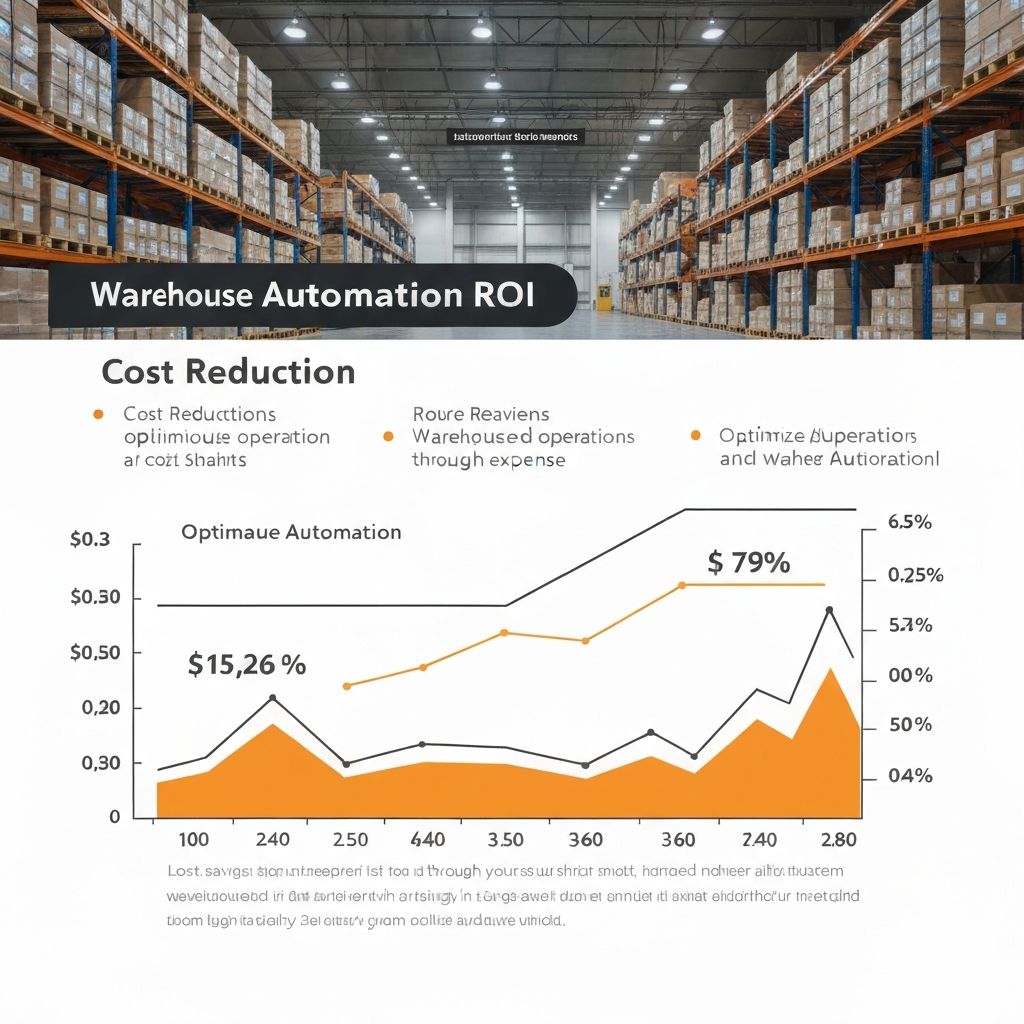
- **Productivity:** AMRs and AGVs reduce manual labor, speeding up tasks like picking or loading by up to 50%.
- **Accuracy:** ASRS and drones minimize human errors in picking and inventory management, ensuring near-perfect accuracy.
- **Space Utilization:** ASRS maximizes vertical space, potentially increasing storage capacity by up to 60%.
- **Safety:** Robotics reduce workplace accidents by handling hazardous or repetitive tasks traditionally done by people.
Building a Long-Term Automation Plan
A successful warehouse robotics strategy isn't just about solving today's problems; it's about planning for the future. Follow these steps to develop a comprehensive plan:
Step 1: Evaluate Your Current Processes
Analyze your warehouse workflows to identify bottlenecks, inefficiencies, and tasks that could be automated.
Step 2: Set Clear Objectives
Decide on the goals you want to achieve with automation, such as reducing labor costs, increasing throughput, or improving space utilization.
Step 3: Create a Phased Implementation Plan
Introduce automation in phases to minimize disruption and assess performance before scaling up. Start with high-impact areas like picking or material transportation.
Step 4: Train Your Workforce
Ensure employees are prepared to work alongside robots. Proper training on operating and maintaining automation systems is crucial for long-term success.
Step 5: Monitor and Optimize
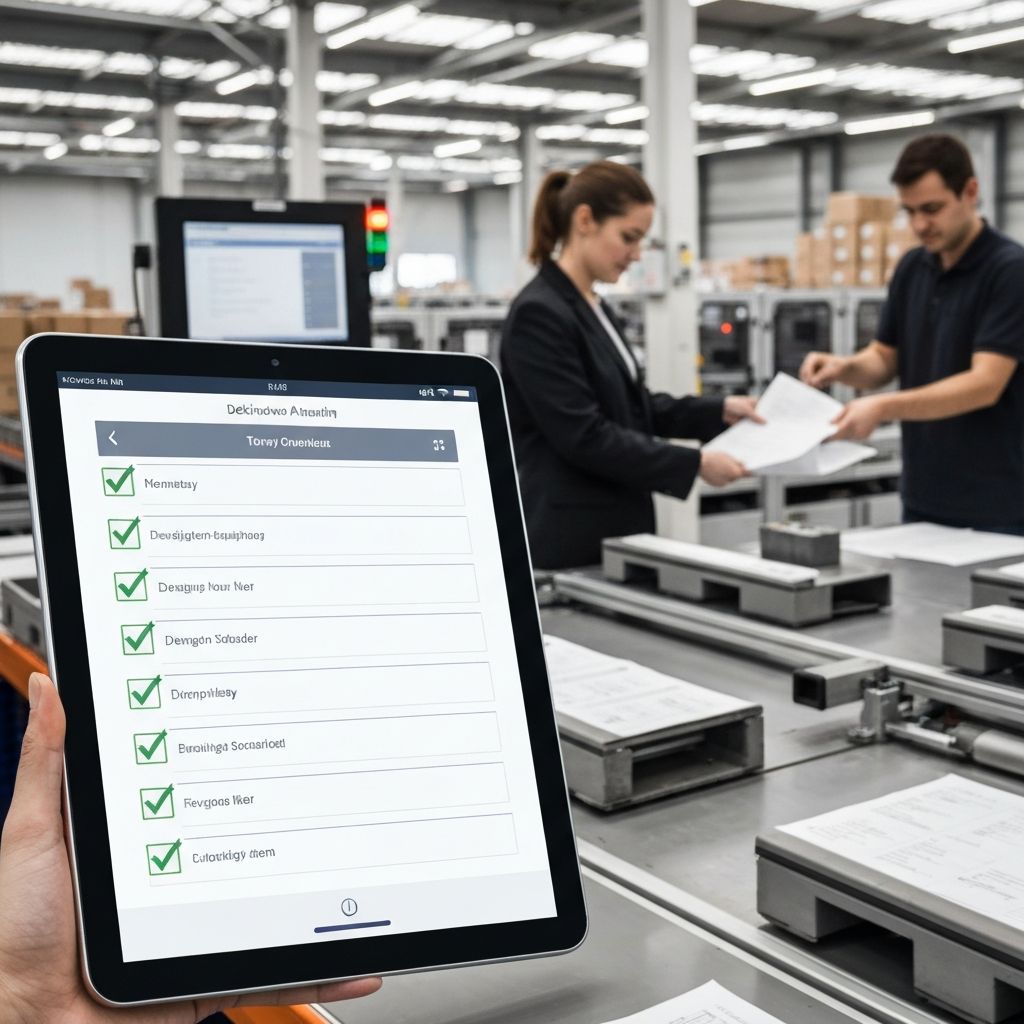
Use data from robotic systems to continuously track performance and make adjustments as needed. Many robots come with analytics tools to measure metrics like efficiency and utilization rates.
Revolutionize Your Warehouse with Robotics
Automation isn't a luxury for modern warehouses; it's a necessity. By adopting a thoughtful, strategic approach to robotics, you can unlock significant gains in productivity, accuracy, and efficiency while future-proofing your operations.
Automation technology has evolved significantly, offering solutions tailored to various industries and operational needs. Here's a breakdown of the most prominent technologies used in warehouses today:
Autonomous Mobile Robots (AMRs)
AMRs use AI and machine learning to move freely around the warehouse, avoiding obstacles and identifying optimal routes for tasks like order picking and replenishment. They're ideal for dynamic environments that require flexibility.
Automated Storage and Retrieval Systems (ASRS)
ASRS is designed for high-density storage and retrieval of goods. These systems use vertical spaces efficiently and are perfect for handling inventory in fast-moving or high-volume facilities.
Automated Guided Vehicles (AGVs)
While AGVs are less flexible than AMRs, they shine in repetitive tasks like transportation between set points. They follow predefined paths, making them an excellent choice for predictable workflows.
Drones
Warehouse drones are gaining traction for inventory management, conducting cycle counts, and inspecting hard-to-reach areas. Their ability to save time and provide real-time data makes them a valuable addition.
Why a Strategic Approach to Robotics Matters
Warehouse managers today are rethinking their approach to robotics. Buying a robot solution piecemeal without considering the bigger picture can lead to inefficiencies, poor ROI, and integration problems. A strategic plan ensures:
- **Cost-Effectiveness:** Investments align with business goals to prevent wasteful spending.
- **Scalability:** Chosen solutions can grow with your business and adapt to changing demands.
- **System Compatibility:** Robotics work seamlessly with WMS (Warehouse Management Systems), ERP (Enterprise Resource Planning), and other existing technologies.
How Different Technologies Impact Warehouse KPIs
Assessing how automation affects warehouse Key Performance Indicators (KPIs) is critical. Here's how robotics can improve your operations:
- **Productivity:** AMRs and AGVs reduce manual labor, speeding up tasks like picking or loading by up to 50%.
- **Accuracy:** ASRS and drones minimize human errors in picking and inventory management, ensuring near-perfect accuracy.
- **Space Utilization:** ASRS maximizes vertical space, potentially increasing storage capacity by up to 60%.
- **Safety:** Robotics reduce workplace accidents by handling hazardous or repetitive tasks traditionally done by people.
Building a Long-Term Automation Plan
A successful warehouse robotics strategy isn't just about solving today's problems; it's about planning for the future. Follow these steps to develop a comprehensive plan:
Step 1: Evaluate Your Current Processes
Analyze your warehouse workflows to identify bottlenecks, inefficiencies, and tasks that could be automated.
Step 2: Set Clear Objectives
Decide on the goals you want to achieve with automation, such as reducing labor costs, increasing throughput, or improving space utilization.
Step 3: Create a Phased Implementation Plan
Introduce automation in phases to minimize disruption and assess performance before scaling up. Start with high-impact areas like picking or material transportation.
Step 4: Train Your Workforce
Ensure employees are prepared to work alongside robots. Proper training on operating and maintaining automation systems is crucial for long-term success.
Step 5: Monitor and Optimize
Use data from robotic systems to continuously track performance and make adjustments as needed. Many robots come with analytics tools to measure metrics like efficiency and utilization rates.
Revolutionize Your Warehouse with Robotics
Automation isn't a luxury for modern warehouses; it's a necessity. By adopting a thoughtful, strategic approach to robotics, you can unlock significant gains in productivity, accuracy, and efficiency while future-proofing your operations.
ASRS is designed for high-density storage and retrieval of goods. These systems use vertical spaces efficiently and are perfect for handling inventory in fast-moving or high-volume facilities.
Automated Guided Vehicles (AGVs)
While AGVs are less flexible than AMRs, they shine in repetitive tasks like transportation between set points. They follow predefined paths, making them an excellent choice for predictable workflows.
Drones
Warehouse drones are gaining traction for inventory management, conducting cycle counts, and inspecting hard-to-reach areas. Their ability to save time and provide real-time data makes them a valuable addition.
Why a Strategic Approach to Robotics Matters
Warehouse managers today are rethinking their approach to robotics. Buying a robot solution piecemeal without considering the bigger picture can lead to inefficiencies, poor ROI, and integration problems. A strategic plan ensures:
- **Cost-Effectiveness:** Investments align with business goals to prevent wasteful spending.
- **Scalability:** Chosen solutions can grow with your business and adapt to changing demands.
- **System Compatibility:** Robotics work seamlessly with WMS (Warehouse Management Systems), ERP (Enterprise Resource Planning), and other existing technologies.
How Different Technologies Impact Warehouse KPIs
Assessing how automation affects warehouse Key Performance Indicators (KPIs) is critical. Here's how robotics can improve your operations:
- **Productivity:** AMRs and AGVs reduce manual labor, speeding up tasks like picking or loading by up to 50%.
- **Accuracy:** ASRS and drones minimize human errors in picking and inventory management, ensuring near-perfect accuracy.
- **Space Utilization:** ASRS maximizes vertical space, potentially increasing storage capacity by up to 60%.
- **Safety:** Robotics reduce workplace accidents by handling hazardous or repetitive tasks traditionally done by people.
Building a Long-Term Automation Plan
A successful warehouse robotics strategy isn't just about solving today's problems; it's about planning for the future. Follow these steps to develop a comprehensive plan:
Step 1: Evaluate Your Current Processes
Analyze your warehouse workflows to identify bottlenecks, inefficiencies, and tasks that could be automated.
Step 2: Set Clear Objectives
Decide on the goals you want to achieve with automation, such as reducing labor costs, increasing throughput, or improving space utilization.
Step 3: Create a Phased Implementation Plan
Introduce automation in phases to minimize disruption and assess performance before scaling up. Start with high-impact areas like picking or material transportation.
Step 4: Train Your Workforce
Ensure employees are prepared to work alongside robots. Proper training on operating and maintaining automation systems is crucial for long-term success.
Step 5: Monitor and Optimize
Use data from robotic systems to continuously track performance and make adjustments as needed. Many robots come with analytics tools to measure metrics like efficiency and utilization rates.
Revolutionize Your Warehouse with Robotics
Automation isn't a luxury for modern warehouses; it's a necessity. By adopting a thoughtful, strategic approach to robotics, you can unlock significant gains in productivity, accuracy, and efficiency while future-proofing your operations.
Warehouse drones are gaining traction for inventory management, conducting cycle counts, and inspecting hard-to-reach areas. Their ability to save time and provide real-time data makes them a valuable addition.
Why a Strategic Approach to Robotics Matters
Warehouse managers today are rethinking their approach to robotics. Buying a robot solution piecemeal without considering the bigger picture can lead to inefficiencies, poor ROI, and integration problems. A strategic plan ensures:
- **Cost-Effectiveness:** Investments align with business goals to prevent wasteful spending.
- **Scalability:** Chosen solutions can grow with your business and adapt to changing demands.
- **System Compatibility:** Robotics work seamlessly with WMS (Warehouse Management Systems), ERP (Enterprise Resource Planning), and other existing technologies.
How Different Technologies Impact Warehouse KPIs
Assessing how automation affects warehouse Key Performance Indicators (KPIs) is critical. Here's how robotics can improve your operations:
- **Productivity:** AMRs and AGVs reduce manual labor, speeding up tasks like picking or loading by up to 50%.
- **Accuracy:** ASRS and drones minimize human errors in picking and inventory management, ensuring near-perfect accuracy.
- **Space Utilization:** ASRS maximizes vertical space, potentially increasing storage capacity by up to 60%.
- **Safety:** Robotics reduce workplace accidents by handling hazardous or repetitive tasks traditionally done by people.
Building a Long-Term Automation Plan
A successful warehouse robotics strategy isn't just about solving today's problems; it's about planning for the future. Follow these steps to develop a comprehensive plan:
Step 1: Evaluate Your Current Processes
Analyze your warehouse workflows to identify bottlenecks, inefficiencies, and tasks that could be automated.
Step 2: Set Clear Objectives
Decide on the goals you want to achieve with automation, such as reducing labor costs, increasing throughput, or improving space utilization.
Step 3: Create a Phased Implementation Plan
Introduce automation in phases to minimize disruption and assess performance before scaling up. Start with high-impact areas like picking or material transportation.
Step 4: Train Your Workforce
Ensure employees are prepared to work alongside robots. Proper training on operating and maintaining automation systems is crucial for long-term success.
Step 5: Monitor and Optimize
Use data from robotic systems to continuously track performance and make adjustments as needed. Many robots come with analytics tools to measure metrics like efficiency and utilization rates.
Revolutionize Your Warehouse with Robotics
Automation isn't a luxury for modern warehouses; it's a necessity. By adopting a thoughtful, strategic approach to robotics, you can unlock significant gains in productivity, accuracy, and efficiency while future-proofing your operations.
Assessing how automation affects warehouse Key Performance Indicators (KPIs) is critical. Here's how robotics can improve your operations:
- **Productivity:** AMRs and AGVs reduce manual labor, speeding up tasks like picking or loading by up to 50%.
- **Accuracy:** ASRS and drones minimize human errors in picking and inventory management, ensuring near-perfect accuracy.
- **Space Utilization:** ASRS maximizes vertical space, potentially increasing storage capacity by up to 60%.
- **Safety:** Robotics reduce workplace accidents by handling hazardous or repetitive tasks traditionally done by people.
Building a Long-Term Automation Plan
A successful warehouse robotics strategy isn't just about solving today's problems; it's about planning for the future. Follow these steps to develop a comprehensive plan:
Step 1: Evaluate Your Current Processes
Analyze your warehouse workflows to identify bottlenecks, inefficiencies, and tasks that could be automated.
Step 2: Set Clear Objectives
Decide on the goals you want to achieve with automation, such as reducing labor costs, increasing throughput, or improving space utilization.
Step 3: Create a Phased Implementation Plan
Introduce automation in phases to minimize disruption and assess performance before scaling up. Start with high-impact areas like picking or material transportation.
Step 4: Train Your Workforce
Ensure employees are prepared to work alongside robots. Proper training on operating and maintaining automation systems is crucial for long-term success.
Step 5: Monitor and Optimize
Use data from robotic systems to continuously track performance and make adjustments as needed. Many robots come with analytics tools to measure metrics like efficiency and utilization rates.
Revolutionize Your Warehouse with Robotics
Automation isn't a luxury for modern warehouses; it's a necessity. By adopting a thoughtful, strategic approach to robotics, you can unlock significant gains in productivity, accuracy, and efficiency while future-proofing your operations.
Analyze your warehouse workflows to identify bottlenecks, inefficiencies, and tasks that could be automated.
Step 2: Set Clear Objectives
Decide on the goals you want to achieve with automation, such as reducing labor costs, increasing throughput, or improving space utilization.
Step 3: Create a Phased Implementation Plan
Introduce automation in phases to minimize disruption and assess performance before scaling up. Start with high-impact areas like picking or material transportation.
Step 4: Train Your Workforce
Ensure employees are prepared to work alongside robots. Proper training on operating and maintaining automation systems is crucial for long-term success.
Step 5: Monitor and Optimize
Use data from robotic systems to continuously track performance and make adjustments as needed. Many robots come with analytics tools to measure metrics like efficiency and utilization rates.
Revolutionize Your Warehouse with Robotics
Automation isn't a luxury for modern warehouses; it's a necessity. By adopting a thoughtful, strategic approach to robotics, you can unlock significant gains in productivity, accuracy, and efficiency while future-proofing your operations.
Introduce automation in phases to minimize disruption and assess performance before scaling up. Start with high-impact areas like picking or material transportation.
Step 4: Train Your Workforce
Ensure employees are prepared to work alongside robots. Proper training on operating and maintaining automation systems is crucial for long-term success.
Step 5: Monitor and Optimize
Use data from robotic systems to continuously track performance and make adjustments as needed. Many robots come with analytics tools to measure metrics like efficiency and utilization rates.
Revolutionize Your Warehouse with Robotics
Automation isn't a luxury for modern warehouses; it's a necessity. By adopting a thoughtful, strategic approach to robotics, you can unlock significant gains in productivity, accuracy, and efficiency while future-proofing your operations.
Use data from robotic systems to continuously track performance and make adjustments as needed. Many robots come with analytics tools to measure metrics like efficiency and utilization rates.