Is Your Warehouse Ready for Automation?
Recognizing when it's time to automate can be the difference between staying competitive and falling behind. Here are 10 clear signs that your warehouse needs automation.
1. You Can't Find Enough Workers
The labor shortage in warehousing is real and growing. If you're constantly struggling to fill positions or facing high turnover, automation can fill the gap.
2. Order Accuracy Is Declining
Human error in picking and packing leads to returns, customer complaints, and lost revenue. Automated systems achieve 99.9%+ accuracy rates.
3. Your Storage Space Is Maxed Out
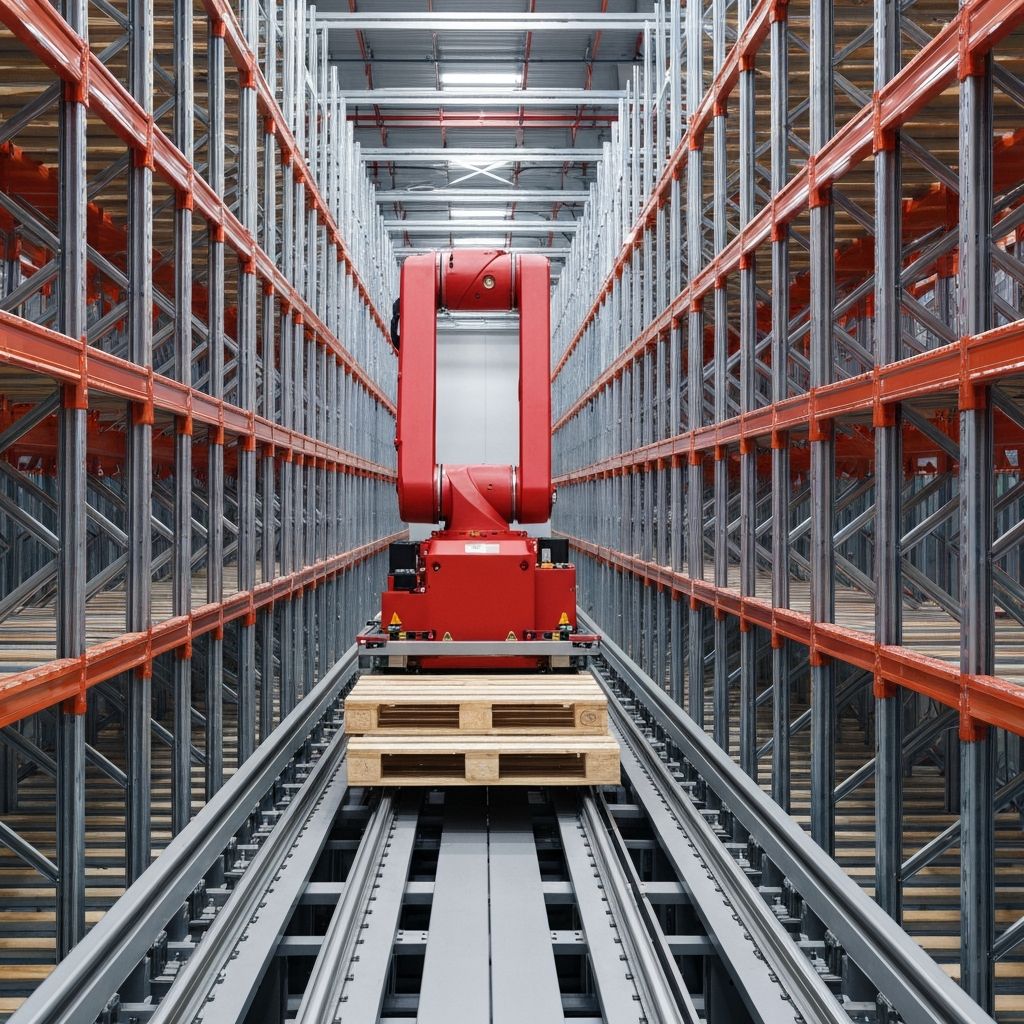
If you're running out of room but can't expand, high-density storage solutions like ASRS and pallet shuttle systems can increase capacity by 60-85%.
4. Order Volume Is Increasing
Growing demand is great for business, but if your manual processes can't keep up, you'll face delays and dissatisfied customers.
5. Labor Costs Are Rising
With minimum wage increases and competition for workers, labor costs continue to climb. Automation provides predictable, controllable costs.
6. Safety Incidents Are Increasing
Forklift accidents, repetitive strain injuries, and other safety issues indicate a need for automated solutions that protect workers.
7. Customer Expectations Are Growing
Same-day and next-day delivery expectations require speed and efficiency that manual operations struggle to achieve.
8. You're Losing Inventory
Shrinkage, misplacement, and damage indicate a need for better inventory control systems that automation provides.
9. Your Competition Is Automating
If competitors are gaining advantages through automation, you risk losing market share by not keeping pace.
10. You Have Seasonal Peaks You Can't Handle
If you struggle to scale during peak seasons, automation provides the flexibility to handle volume fluctuations.
Taking the Next Step
If you identified with three or more of these signs, it's time to seriously consider automation. Start with a warehouse assessment to identify the best opportunities for improvement.
The labor shortage in warehousing is real and growing. If you're constantly struggling to fill positions or facing high turnover, automation can fill the gap.
2. Order Accuracy Is Declining
Human error in picking and packing leads to returns, customer complaints, and lost revenue. Automated systems achieve 99.9%+ accuracy rates.
3. Your Storage Space Is Maxed Out
If you're running out of room but can't expand, high-density storage solutions like ASRS and pallet shuttle systems can increase capacity by 60-85%.
4. Order Volume Is Increasing
Growing demand is great for business, but if your manual processes can't keep up, you'll face delays and dissatisfied customers.
5. Labor Costs Are Rising
With minimum wage increases and competition for workers, labor costs continue to climb. Automation provides predictable, controllable costs.
6. Safety Incidents Are Increasing
Forklift accidents, repetitive strain injuries, and other safety issues indicate a need for automated solutions that protect workers.
7. Customer Expectations Are Growing
Same-day and next-day delivery expectations require speed and efficiency that manual operations struggle to achieve.
8. You're Losing Inventory
Shrinkage, misplacement, and damage indicate a need for better inventory control systems that automation provides.
9. Your Competition Is Automating
If competitors are gaining advantages through automation, you risk losing market share by not keeping pace.
10. You Have Seasonal Peaks You Can't Handle
If you struggle to scale during peak seasons, automation provides the flexibility to handle volume fluctuations.
Taking the Next Step
If you identified with three or more of these signs, it's time to seriously consider automation. Start with a warehouse assessment to identify the best opportunities for improvement.
If you're running out of room but can't expand, high-density storage solutions like ASRS and pallet shuttle systems can increase capacity by 60-85%.
4. Order Volume Is Increasing
Growing demand is great for business, but if your manual processes can't keep up, you'll face delays and dissatisfied customers.
5. Labor Costs Are Rising
With minimum wage increases and competition for workers, labor costs continue to climb. Automation provides predictable, controllable costs.
6. Safety Incidents Are Increasing
Forklift accidents, repetitive strain injuries, and other safety issues indicate a need for automated solutions that protect workers.
7. Customer Expectations Are Growing
Same-day and next-day delivery expectations require speed and efficiency that manual operations struggle to achieve.
8. You're Losing Inventory
Shrinkage, misplacement, and damage indicate a need for better inventory control systems that automation provides.
9. Your Competition Is Automating
If competitors are gaining advantages through automation, you risk losing market share by not keeping pace.
10. You Have Seasonal Peaks You Can't Handle
If you struggle to scale during peak seasons, automation provides the flexibility to handle volume fluctuations.
Taking the Next Step
If you identified with three or more of these signs, it's time to seriously consider automation. Start with a warehouse assessment to identify the best opportunities for improvement.
With minimum wage increases and competition for workers, labor costs continue to climb. Automation provides predictable, controllable costs.
6. Safety Incidents Are Increasing
Forklift accidents, repetitive strain injuries, and other safety issues indicate a need for automated solutions that protect workers.
7. Customer Expectations Are Growing
Same-day and next-day delivery expectations require speed and efficiency that manual operations struggle to achieve.
8. You're Losing Inventory
Shrinkage, misplacement, and damage indicate a need for better inventory control systems that automation provides.
9. Your Competition Is Automating
If competitors are gaining advantages through automation, you risk losing market share by not keeping pace.
10. You Have Seasonal Peaks You Can't Handle
If you struggle to scale during peak seasons, automation provides the flexibility to handle volume fluctuations.
Taking the Next Step
If you identified with three or more of these signs, it's time to seriously consider automation. Start with a warehouse assessment to identify the best opportunities for improvement.
Same-day and next-day delivery expectations require speed and efficiency that manual operations struggle to achieve.
8. You're Losing Inventory
Shrinkage, misplacement, and damage indicate a need for better inventory control systems that automation provides.
9. Your Competition Is Automating
If competitors are gaining advantages through automation, you risk losing market share by not keeping pace.
10. You Have Seasonal Peaks You Can't Handle
If you struggle to scale during peak seasons, automation provides the flexibility to handle volume fluctuations.
Taking the Next Step
If you identified with three or more of these signs, it's time to seriously consider automation. Start with a warehouse assessment to identify the best opportunities for improvement.
If competitors are gaining advantages through automation, you risk losing market share by not keeping pace.
10. You Have Seasonal Peaks You Can't Handle
If you struggle to scale during peak seasons, automation provides the flexibility to handle volume fluctuations.
Taking the Next Step
If you identified with three or more of these signs, it's time to seriously consider automation. Start with a warehouse assessment to identify the best opportunities for improvement.
If you identified with three or more of these signs, it's time to seriously consider automation. Start with a warehouse assessment to identify the best opportunities for improvement.